

Oil & Gas Speciality Chemical
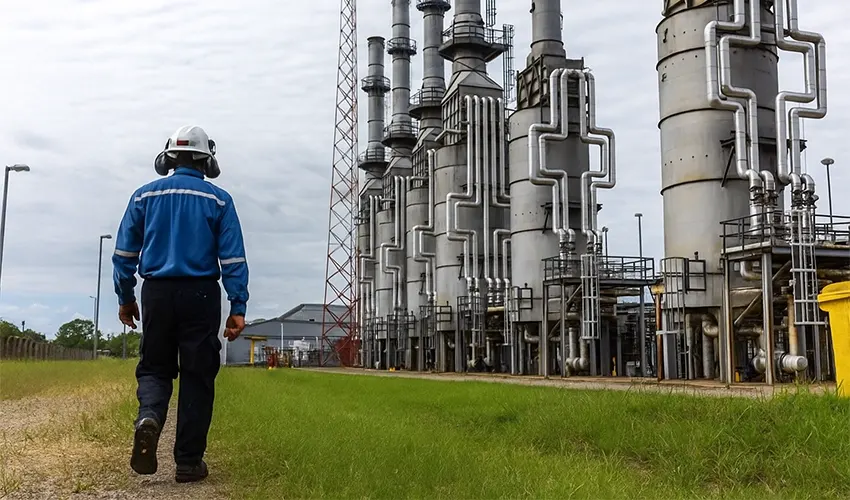
In the oil & gas industry, coagulants and flocculants are used in combination for efficient solid–liquid separation and water treatment.
- Coagulants (such as alum, ferric chloride, PAC, polyamines, polyDADMAC) act by neutralizing the electrical charges on suspended solids, clays, and oil droplets. This destabilizes emulsions and allows fine particles to come closer together instead of remaining dispersed.
- Flocculants (typically polyacrylamides in anionic, cationic, or nonionic forms) then act as bridging agents, binding these destabilized particles into larger aggregates (flocs) that can settle, float, or be filtered out easily.
Together, they are applied in multiple stages of oil & gas operations :
- Drilling fluids : to control mud solids and improve separation efficiency.
- Produced water treatment : to remove oil-in-water emulsions and suspended solids before discharge or reinjection.
- Refinery wastewater : for clarification, COD/BOD reduction, and sludge dewatering.
- Fracturing flowback water : to clarify and recycle water for reuse in fracturing operations.
- Oil sands tailings : to accelerate clay settling and water recovery from tailings ponds.
By using coagulants and flocculants in sequence or in synergy, oil & gas operators achieve faster separation, reduced turbidity, smaller sludge volumes, improved water recycling, and better compliance with environmental norms.
Scale inhibitors are specialty chemicals used to prevent the deposition of mineral scales such as calcium carbonate, barium sulfate, and strontium sulfate in wells, pipelines, and processing equipment. These scales form when produced water or injected water carries dissolved salts that precipitate under changing temperature and pressure conditions.
By dosing scale inhibitors through continuous injection, batch treatment, or squeeze techniques, operators can :
- Keep salts dissolved and prevent scale buildup.
- Protect wells, pipelines, and separation units from blockages.
- Reduce downtime, maintenance, and operating costs.
- Improve production efficiency and extend equipment life.
Scale inhibitors are therefore a critical part of flow assurance in oil & gas operations, ensuring smooth and uninterrupted production.
Biocides are essential in oil & gas operations to control the growth of harmful microorganisms such as bacteria, algae, and fungi in drilling fluids, produced water, and pipelines. Uncontrolled microbial activity can cause corrosion, souring (H₂S generation), biofilm formation, and blockages that reduce efficiency and damage equipment.
By applying the right biocides—either continuously or in batch treatments—operators can :
- Prevent microbiologically influenced corrosion (MIC).
- Control sulfate-reducing bacteria (SRB) and other harmful microbes.
- Protect pipelines, storage tanks, and water injection systems.
- Improve flow assurance, safety, and water quality for reuse.
Biocides play a vital role in maintaining asset integrity, extending equipment life, and ensuring reliable oil & gas production.